High Quality Outdoor Sectional Reviews
Table of Contents
- What Makes a High Quality Outdoor Sectional
- Quick Comparison Table: Top Outdoor Sectionals
- 9-Piece Wicker Conversation Set with Swivel Chairs
- 7-Piece Fire Pit Sectional Set for Year-Round Gatherings
- 6-Piece Aluminum Sectional with Hand-Woven Rope
- Weather-Resistant Outdoor Fabric Guide
- Outdoor Sectional Sizing Guide
- How to Maintain Outdoor Furniture
- What to Look For and What to Avoid
- Conclusion
- Frequently Asked Questions
Last Updated: September 6, 2026
What Makes a High Quality Outdoor Sectional
A high quality outdoor sectional combines durable materials, thoughtful design, and comfort features that survive seasons of use without fading, rusting, or deteriorating. The difference between furniture that lasts five years and furniture that lasts fifteen comes down to solid frame construction, fabric selection, and cushion density. Far too often I see outdoor furniture selling in big box stores that’ll barely outlast two or three summers.
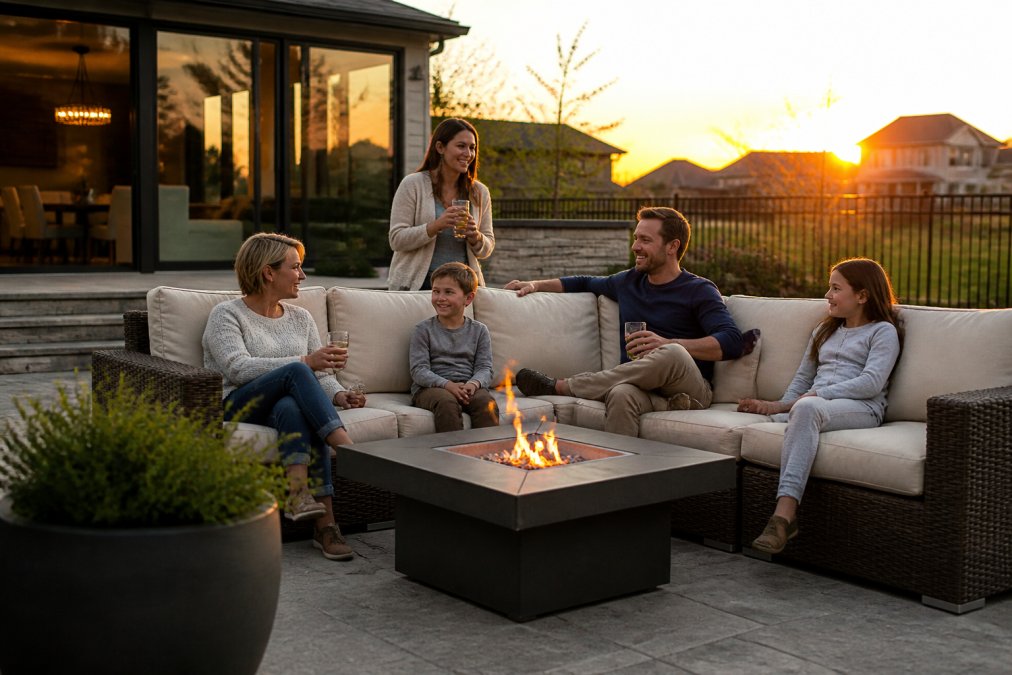
At Patio Guild, we offer thoughtfully designed, weather-tested furniture. The best outdoor sectionals have four non-negotiable elements: weather-resistant materials that don't degrade under the sun, powder-coated or rust-proof frames that handle moisture, high-density foam cushions that maintain their shape, and modular configurations that adapt to your space.
When evaluating any outdoor sectional, look for all-weather wicker or aluminum frames paired with solution-dyed acrylic or polyester fabrics. These combinations resist mildew, maintain color, and require minimal maintenance compared to untreated materials. The frame durability matters as much as the upholstery, a beautiful cushion covering a corroded metal frame won't last through next season.
Quick Comparison Table: Top Outdoor Sectionals
Model |
Frame Material |
Cushion Density |
Configuration |
Price |
Best For |
|---|---|---|---|---|---|
9-Piece Wicker Set |
Steel with PE wicker |
High-density foam |
Modular (7 seats) |
$1117 |
Families wanting flexible seating |
7-Piece Fire Pit Set |
Steel with PE wicker |
4" high-density |
Sectional with fire pit |
$1339.99 |
Year-round entertaining |
6-Piece Aluminum Set |
Rust-resistant aluminum |
High-density foam |
L-shaped sectional |
$3,589.99 |
Modern aesthetic, compact spaces |
9-Piece Wicker Conversation Set with Swivel Chairs
This outdoor sectional delivers flexibility without sacrificing comfort. The modular design includes three corner sofas, two swivel chairs, and two mid-sofas, allowing you to reconfigure the seating arrangement based on your backyard layout. The 29-inch seat depth provides genuine lounging space, shallow seats force you into an upright position that becomes uncomfortable during extended conversations.

The steel frame with polyester wicker construction handles rain and sun exposure. Swivel chairs with 360-degree rotation encourage movement and engagement, which is something I’ve seen other outdoor sectional reviews consistently identify as essential for gathering spaces. The glass-top tables give you functional surfaces without adding visual weight.
Setup requires two people and basic tools. The set accommodates up to seven people comfortably, making it suitable for regular entertaining. This outdoor sectional proves that modular design doesn't mean flimsy construction, the frame supports sustained use season after season.
7-Piece Fire Pit Sectional Set for Year-Round Gatherings
The integrated fire pit table transforms this from a seating arrangement into a gathering hub. The 50,000 BTU propane fire pit delivers genuine warmth, making this outdoor sectional usable through shoulder seasons when temperatures drop. The removable lid converts the fire pit into a coffee table during warmer months.

High-density 28-denier sponge cushions provide lumbar support that standard outdoor furniture skips. The 24-inch extra-wide seat backs prevent that slouching feeling that ruins longer conversations. Eco-friendly olefin fabric covers resist water and UV damage while maintaining color vibrancy. This is where outdoor sectional reviews differentiate between budget options and furniture built for real use.
The three-seater sofa plus two swivel chairs plus ottomans creates seating for eight people. All-weather PE wicker paired with powder-coated steel means the frame won't corrode in humid climates or near saltwater environments.
Assembly takes approximately two hours with two people. The propane fire pit includes piezo ignition, you don't need matches or a lighter to start the flame. This detail matters more than it seems; outdoor entertaining should feel effortless, not like a production requiring special tools.
6-Piece Aluminum Sectional with Hand-Woven Rope
For homeowners prioritizing modern aesthetics, this aluminum sectional delivers clean lines without compromising durability. The hand-woven polyester rope creates visual interest while resisting UV fading better than traditional wicker. The rust-resistant aluminum frame weighs less than steel alternatives, which simplifies rearrangement and seasonal storage.

The smaller footprint fits compact spaces effectively. A loveseat, four armchairs, and a round coffee table create a cohesive conversation area without overwhelming a smaller backyard. The high-density foam cushions provide comfort that matches premium options despite the contemporary design.
Minimal assembly is required. The matching round coffee table coordinates visually with the seating, creating intentional design rather than a collection of separate pieces. This outdoor sectional works equally well on a deck, patio, or balcony, the modern aesthetic adapts to various settings.
Weather-Resistant Outdoor Fabric Guide
Solution-dyed acrylic fabrics offer the best combination of durability and appearance. The dye penetrates the fiber rather than coating the surface, which means fading happens gradually and evenly rather than creating patchy discoloration. These fabrics resist mildew naturally and dry quickly after rain.
Polyester rope and woven materials provide another reliable option. UV-protected polyester maintains color integrity through extended sun exposure. Water-repellent treatments allow moisture to bead and run off rather than absorbing into the material. Olefin fabrics, made from polypropylene, resist staining from common outdoor hazards like coffee spills and grass residue.
Avoid untreated natural fibers like cotton or linen for outdoor sectional cushions. These materials absorb moisture, promoting mildew growth and deterioration. Leather and suede require constant maintenance in outdoor environments and crack when exposed to temperature fluctuations.
Many outdoor sectional reviews emphasize fabric maintenance. Solution-dyed acrylic requires only occasional cleaning with mild soap and water. The polyester rope will benefit from annual deep cleaning if you don’t it does handle being left better than natural materials. Removable cushion covers simplify seasonal care, you can wash covers separately and store them indoors during off-seasons.
Outdoor Sectional Sizing Guide
Measure your available space before selecting any outdoor sectional, but sizing extends beyond square footage. Account for foot traffic pathways, climate exposure, and your specific layout type. A 200-square-foot space accommodates a five-piece sectional comfortably; larger spaces support nine-piece configurations.
Standard Space Calculations
Seat depth determines comfort level. Depths under 28 inches feel cramped during extended lounging (peer-reviewed research). Depths between 28 and 32 inches provide genuine comfort without consuming excessive space. Back height influences relaxation; 10 inches feels too short for meaningful back support, while 14 inches or higher provides genuine lumbar assistance.
The footprint of your outdoor sectional should consume no more than 40 percent of your available patio space. This guideline ensures the area remains functional for movement and additional furniture like side tables or planters. Modular designs allow you to start smaller and expand as your entertaining needs grow.
Consider sight lines when positioning sectionals. An L-shaped configuration creates a natural gathering point but can isolate people sitting on different sides. Linear arrangements encourage conversation across the group. Test configurations using cardboard cutouts before committing to a final layout.
Non-Standard Layout Solutions
L-shaped balconies and narrow patios require different strategies than rectangular decks. For L-shaped spaces, position the sectional's corner at the interior corner of your balcony, allowing each arm to extend along one side. This maximizes seating without blocking pathways. A 6-piece L-shaped sectional typically requires 12 feet × 10 feet of space; measure both dimensions before ordering.
For narrow patios (under 10 feet wide), consider a linear sectional rather than an L-shape. A 5-piece linear arrangement fits a 15-foot × 8-foot space while maintaining walkways on both sides. Avoid deep sectionals (over 32 inches) in narrow spaces; they consume disproportionate depth and create cramped feeling.
Balcony railings complicate sizing. If your balcony has a railing, position the sectional 18-24 inches away from the railing to allow comfortable viewing and airflow. A sectional that touches the railing creates a boxed-in feeling and blocks sightlines to your surroundings. This offset requirement means a 12-foot-wide balcony effectively accommodates only a 9-foot sectional.
Climate-Specific Sizing Considerations
In high-wind coastal environments, larger, heavier sectionals resist movement better than lightweight alternatives. If your space experiences regular winds, prioritize weight and frame stability over aesthetic preferences. Modular sectionals in coastal areas should be positioned against structures or anchored with furniture straps rated for outdoor use.
In high-humidity climates, allow extra space around your sectional for air circulation. Moisture trapped between the sectional and walls promotes mildew growth on wicker and cushions. Position the sectional at least 12 inches away from walls or structures. This spacing requirement means a 10-foot-wide patio effectively accommodates only a 7-foot sectional rather than a 9-foot option.
In intense-sun climates (high-UV desert regions), consider sectional placement relative to shade patterns throughout the day. A sectional positioned in full sun from 10 a.m. to 4 p.m. experiences accelerated fading regardless of fabric quality. If your patio lacks natural shade, plan for a shade structure (pergola, retractable awning, or umbrella) as part of your sectional investment. This planning affects sizing because shade structures themselves consume space.
Modular Configuration Flexibility
Modular sectionals offer sizing advantages for evolving spaces. A 5-piece modular set can be configured as a linear arrangement (15 feet × 3 feet) or an L-shape (10 feet × 10 feet) depending on your needs. This flexibility means you can start with a smaller configuration and expand later without replacing furniture.
When selecting modular pieces, verify that connecting clips securely join sections. Loose connections create safety hazards and allow sections to shift during use. Some modular systems use metal brackets that bolt together; others use friction-fit clips. Bolted systems prove more durable for high-traffic entertaining spaces.
Accounting for Accessories and Sight Lines
Your sectional rarely exists in isolation. Account for side tables, fire pits, planters, and pathways when sizing. A 200-square-foot patio with a sectional, two side tables, and a fire pit table leaves minimal space for movement. Reduce your sectional size by one piece to maintain functional flow.
If your patio overlooks a water feature, garden, or landscape focal point, position the sectional to frame that view rather than block it. This often means placing the sectional's back toward the house and seating facing outward, which affects how you measure available space. A sectional positioned for optimal sightlines may consume less of your total patio area than one placed for maximum seating capacity.
Pre-Purchase Verification
Before finalizing your purchase, create a scale drawing of your space with the sectional dimensions marked. Most manufacturers provide exact measurements in product specifications. Mark doorways, railings, and fixed structures. Walk through the layout mentally, imagining how guests would move through the space and where they would sit. This visualization catches sizing mistakes before delivery.
How to Maintain Outdoor Furniture
Regular maintenance transforms a five-year sectional into a ten-year investment. Most outdoor sectional reviews focus on purchase and initial care, but the real value emerges when you understand how to repair and refresh components rather than replace the entire set.
Monthly and Seasonal Cleaning
Wipe surfaces monthly to remove dust and pollen that trap moisture. Use a soft brush on wicker surfaces to prevent debris accumulation in weave patterns. Rinse cushion covers with a garden hose quarterly to remove salt spray and environmental contaminants. Deep cleaning happens seasonally: mix mild dish soap with water and scrub cushion covers with a soft-bristled brush. Rinse thoroughly and allow complete drying before use. For stubborn stains, a solution of equal parts white vinegar and water removes most outdoor residues without damaging fabrics.
Frame Inspection and Reinforcement
Inspect frame connections every spring and fall. Steel and aluminum frames can loosen over time as materials expand and contract with temperature changes. Tighten bolts and fasteners before they create structural issues. Check for rust spots on steel frames; sand lightly and apply rust-preventative paint if needed. For powder-coated aluminum frames, inspect welds for hairline cracks, particularly at corner joints where stress concentrates. Small cracks can be sealed with epoxy putty rated for outdoor use, preventing water infiltration that leads to frame failure.
If your sectional experiences heavy use or sits in high-humidity environments, consider applying a clear polyurethane sealant to exposed wood or untreated metal components annually. This step extends frame life by three to five years.
Cushion Foam Replacement and Recovery
High-density foam eventually compresses, typically after five to seven years of regular use (peer-reviewed research). Rather than replacing the entire sectional, you can refresh cushions by replacing foam cores. Most outdoor cushion covers unzip or are stitched closed; opening them reveals the foam insert. Replacement foam in 4-inch or 5-inch thickness can be ordered from fabric suppliers or online retailers. This repair extends your sectional's comfort life indefinitely at a fraction of replacement cost.
When foam begins to feel flat but the cover remains intact, this is your signal to act. Waiting until the cover deteriorates forces you to replace both simultaneously, doubling the expense. Proactive foam replacement maintains comfort without aesthetic changes.
Cushion covers themselves eventually fade or develop small tears. If the underlying foam remains sound, replacing just the cover can be an inexpensive alternative to buying a new set. Solution-dyed acrylic replacement covers resist UV fading better than original budget fabrics, meaning your refreshed cushions may outlast the original covers.
Climate-Specific Maintenance Protocols
High-humidity and coastal environments require more aggressive maintenance. If you live within five miles of saltwater, rinse your entire sectional with fresh water monthly. Salt spray accelerates corrosion on steel frames and promotes mildew on cushions. Store cushions indoors year-round in these climates rather than seasonally.
In high-UV desert climates, apply UV-protective fabric spray to cushion covers annually. This transparent coating reduces fading. The spray covers approximately 100 square feet.
In freeze-thaw climates, remove cushions before the first frost. Moisture trapped in foam expands when frozen, permanently damaging cushion structure. Covers can remain on frames if you live in mild climates, but removing them allows better air circulation and prevents mold growth during winter storage.
Storage and Off-Season Care
Store cushions indoors during winter months in climates with freezing temperatures. Use breathable storage bags rather than plastic, which traps moisture. Keep cushions in a climate-controlled space if possible; garages and sheds experience temperature swings that stress foam and covers.
If your sectional frame remains outdoors year-round, cover it with a fitted outdoor furniture cover. Quality covers protect against UV damage and moisture accumulation. Ensure the cover allows air circulation; trapped moisture under non-breathable covers promotes mildew on frames and wicker.
Knowing When to Replace vs. Repair
If frame welds show multiple cracks or rust penetrates more than 25 percent of a structural member, replacement becomes safer than repair. Similarly, if foam compression exceeds 30 percent of original thickness and replacement costs exceed 40 percent of the sectional's original purchase price, a new sectional may offer better value. However, most quality outdoor sectionals justify repair investment through year seven or eight of ownership, making maintenance knowledge essential for long-term satisfaction.
What to Look For and What to Avoid
When evaluating outdoor sectional options, prioritize frame durability over aesthetic appeal. A beautiful cushion covering a weak frame provides only temporary satisfaction. Look for powder-coated aluminum or rust-resistant steel frames that withstand moisture exposure. Examine welds and joints for solid construction rather than spot-welded connections that fail under stress.
Cushion density matters more than thickness. A four-inch cushion filled with low-density foam compresses and flattens within one season. High-density foam maintains its shape through years of use. Request specific density specifications, anything below 20 pounds per cubic foot will disappoint.
Avoid sectionals with thin, untreated fabrics. Budget options often use single-layer polyester that fades rapidly and absorbs moisture. Solution-dyed acrylic and UV-protected polyester cost more initially but eliminate replacement expenses after two seasons.
Check weight capacity ratings. Undersized frames that claim 250-pound capacity per seat indicate cost-cutting in frame construction. Reputable manufacturers specify 300-pound or higher capacity, indicating strong frame engineering.
Modular sectionals offer flexibility, but verify that sectional clips securely connect pieces. Loose connections create safety hazards and allow sections to shift during use.
Avoid sectionals with integrated cushions glued to frames. Replaceable cushions allow you to refresh seating without replacing the entire set. When cushions eventually compress, removable options extend the furniture's useful life significantly.
Look for sectionals with removable, washable cushion covers. Fixed covers trap moisture and staining agents. Removable covers simplify maintenance and allow seasonal storage that extends furniture longevity.
Quality outdoor sectionals should maintain structural integrity for five to seven years under normal use.
Conclusion
A high quality outdoor sectional should encapsulate these three fundamentals: weather-resistant materials that don't degrade, frames engineered for durability, and cushions designed for comfort during extended use. The best outdoor sectional isn't the most expensive option or the most visually trendy, it's the one built to last and helps create a patio that becomes the most-loved room in your backyard.
Patio Guild's outdoor sectional collections combine intentional design with weather-tested materials that prove themselves season after season. The 9-piece wicker set delivers flexibility for evolving entertaining needs. The 7-piece fire pit sectional transforms your backyard into a year-round gathering destination. For modern aesthetics with compact-space efficiency, the 6-piece aluminum sectional provides comfort and use in smaller spaces.
Each collection prioritizes comfort features like high-density foam cushions, ergonomic back support, and modular configurations that adapt to real backyards rather than design magazines. Shop Patio Guild's outdoor sectional selection and transform your space into the destination where your family actually wants to spend time.
Frequently Asked Questions
What materials are most durable for outdoor sectionals in 2026?
Rust-proof aluminum frames paired with UV-resistant wicker or hand-woven polyester rope offer the best durability. High-density foam cushions with water-repellent, solution-dyed acrylic covers resist fading and mildew. Powder-coated steel frames provide strength without corrosion. Look for all-weather PE rattan construction, which withstands rain, sun, and temperature swings better than untreated materials. These combinations ensure your outdoor sectional maintains its integrity season after season.
How do I choose the right size outdoor sectional for my patio?
Measure your available space first, accounting for foot traffic and other furniture. For smaller patios, consider a 5-piece conversation set with ottomans that can nest underneath to save space. Larger yards benefit from modular 9-piece sets offering flexible configurations. Check seat depth (typically 29-32 inches) and back height (10-36 inches) to ensure comfortable seating. Allow at least 18 inches of clearance around the sectional for movement and access.
What are the trends for outdoor furniture in 2026?
Integrated fire pit tables remain popular for creating gathering spaces that extend outdoor entertaining into cooler months. Modular designs dominate, allowing homeowners to reconfigure pieces as needs change. Eco-friendly materials and sustainable construction practices are increasingly important. Deep seating with ergonomic support and high-density cushions reflects a shift toward comfort-first design. Mixed materials—combining aluminum frames with woven rope or wicker—create visual interest while maximizing durability and weather resistance.
How long does a quality outdoor sectional typically last?
A well-constructed outdoor sectional with proper maintenance can last 7-10 years or longer. Durability depends on frame material (aluminum and powder-coated steel outlast untreated wood), cushion quality (high-density foam holds shape better), and fabric type (solution-dyed acrylic resists fading longer than standard polyester). Climate matters too—harsh UV exposure, salt air, or extreme temperature swings accelerate wear. Regular cleaning and seasonal cushion storage add years to the lifespan. Investing in quality construction upfront reduces replacement costs over time.